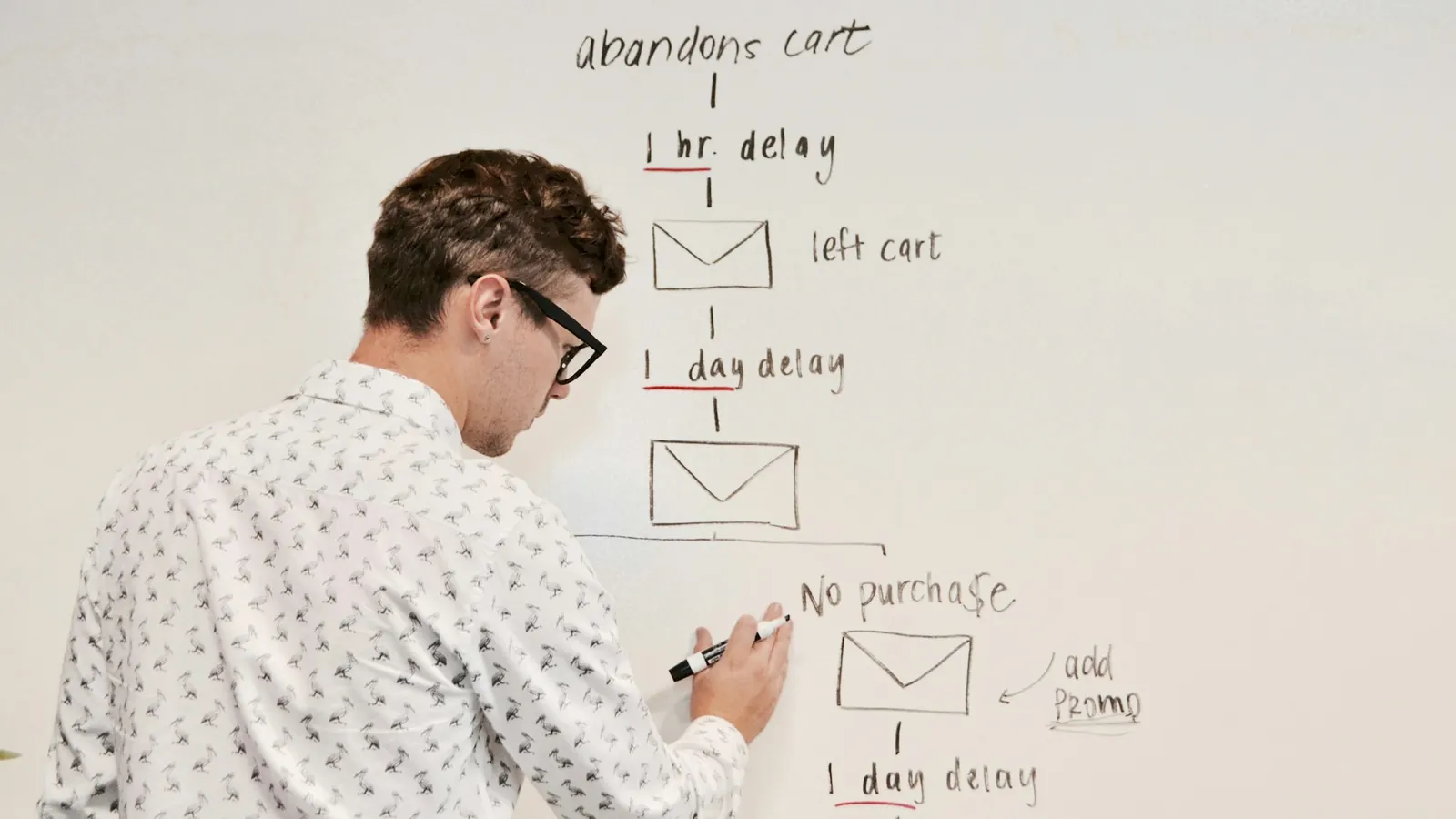


If you send a contract a month, you can do it by hand. If you send one a week, the setup work starts to eat real hours: finding the last version, changing names, retyping prices, checking the same five clauses. That is exactly the work worth automating.
The order that pays off
- 1Intake. Collect the same details every time: client, deliverables, price, timeline, revisions, payment. A short form or a saved brief is enough.
- 2Template choice. Decide which base agreement fits which kind of work, so you are not deciding from scratch.
- 3Variables. Names, dates, currency and price should be filled in once and reused everywhere.
- 4A first-pass risk check. The same handful of clauses cause most of the trouble. Check them every time, ideally automatically.
- 5Signing and storage. Send one link, keep one copy, find it later.
What not to automate
Negotiation, unusual terms and anything where the stakes are high should stay human. Automation is for the 80 percent that is the same each time, so you have more attention for the 20 percent that is not.
What Zyntract does today
- Variables like
{{ClientName}}are filled in across the document from the Data tab. - Zyn drafting turns a brief into structured clauses.
- Zyn Analysis and the health score run the same risk checks each time.
- Planned: saved templates, sending, and client signing from a link.
The honest picture is on the roadmap page. The builder and Zyn work today, and saving and sending arrive with accounts.

Key takeaways
- Automate the repeatable setup: intake, template choice, filling in names, dates and prices.
- Do not automate judgement: unusual terms, negotiation and anything high-stakes still deserve your attention.
- Standardise first. Automating a messy process just makes the mess faster.
Further reading
The Zyntract team
Notes from the workspace